Mining partnerships in Ghana: rights, licences and joint ventures
Planning a mining joint venture in Ghana? Start with the mineral rights, the small-scale licensing rules and the joint-venture structures that work, whether you hold a concession and need a partner, or you are a partner looking for projects.
Key facts
- Who owns the gold: minerals in their natural state belong to the Republic. The Minister responsible for mines grants mineral rights on the advice of the Minerals Commission, under the Minerals and Mining Act, 2006 (Act 703).
- Small-scale is for Ghanaians: small-scale mining licences are granted only to Ghanaian citizens, as individuals, groups, co-operatives or companies.
- Small-scale leads output: small-scale miners produced 3.11 million ounces in 2025, 52% of Ghana’s gold (Ghana Chamber of Mines).
- The state’s share: the government holds a 10% free carried interest in mining leases. Large investments can negotiate stability agreements of up to 15 years.
- Mining is not trading: a mineral right lets you mine. Buying, aggregating or exporting gold produced by others needs a separate GoldBod licence.
The mineral-rights path
Click a stage to see what it allows and where partners fit.
Reconnaissance licence
Preliminary surveys over a large area.
Partners: Explore broadly before committing.
Prospecting licence
Exploration, including drilling, to find and define a deposit.
Partners: Where most partnerships with explorers start.
Mining lease
Developing and operating a mine. The state holds a 10% free carried interest; large investments can negotiate stability agreements of up to 15 years.
Partners: Equity investors usually come in here.
Small-scale mining licence
Small operations, granted only to Ghanaian citizens (individuals, groups, co-operatives and companies).
Partners: Foreign partners join through a joint venture, never by holding the licence.
Granted by the Minister responsible for mines on the advice of the Minerals Commission, under the Minerals and Mining Act, 2006 (Act 703). Restricted mineral rights cover industrial minerals such as clay, sand and granite. Mining rights are not trading rights: buying or exporting gold produced by others needs a GoldBod licence.
Mineral rights in a Ghana mining partnership
| Right | What it allows |
|---|---|
| Reconnaissance licence | Preliminary surveys over a large area |
| Prospecting licence | Exploration, including drilling, to find and define a deposit |
| Mining lease | Developing and operating a mine |
| Small-scale mining licence | Small operations; Ghanaian citizens only |
| Restricted mineral rights | Industrial minerals such as clay, sand and granite |
For more detail, see Ghana’s Mineral Rights, Explained.
Start here: guides to mining joint ventures in Ghana
Rights, partnerships and the costs of mining, in reading order.
- 01GoldBod & RegulationGhana’s Mineral Rights, Explained: Licences, Leases and Who Can Hold Them1 min read · Updated
- 02Compliance & Responsible SourcingSmall-Scale Mining and Galamsey: What Investors Need to Know2 min read · Updated
- 03Investment StructuresEquity, Joint Venture or Offtake: Choosing Your Route Into Ghana’s Gold Sector2 min read · Updated
- 04Due Diligence & RiskHow to Evaluate a Gold Project in Ghana Before You Invest2 min read · Updated
- 05Due Diligence & RiskLand Tenure in Ghana: What Gold Investors Need to Know8 min read · Updated
- 06GoldBod & RegulationGhana’s Sliding-Scale Gold Royalty and the Cut in the Mining Levy, Explained2 min read · Updated
Structuring a mining joint venture in Ghana
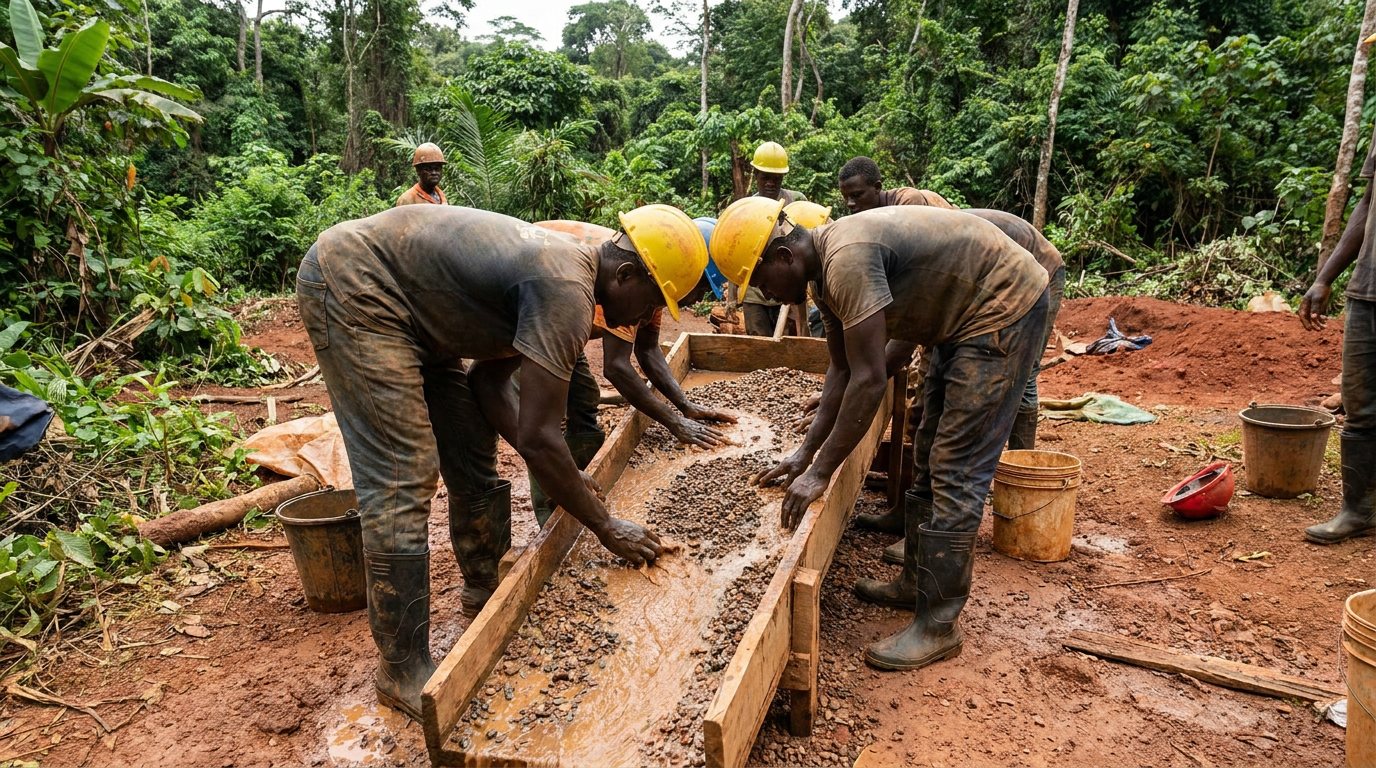
Joint ventures are common at the small-scale end, because foreign partners cannot hold small-scale licences. In a typical mining joint venture in Ghana, the partner brings capital, equipment or expertise. Settle these points in writing, with a Ghanaian lawyer, before work starts:
- The licence: who holds it, for which site, and until when. Confirm it with the Minerals Commission.
- Control: structures that disguise foreign control of a small-scale licence carry serious legal risk.
- Assets and output: who owns the equipment, and how gold is sold through GoldBod’s licensed channels.
- Permits and community: environmental permits in place, and the landowners and community on board.
- Disputes: how disagreements are resolved, and what happens if the licence is suspended or revoked.
Finally, disputes over leases are public and instructive. Follow the Konongo lease case, which we update as it develops.
On the Ghana Gold Map
Ghana's large-scale mines, the main small-scale mining areas and the regulators' offices, from our interactive map.
Latest for miners and partners
Updated automatically as we publish.
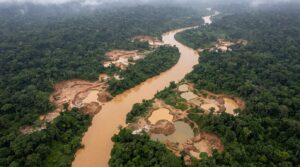 Minority Calls for GoldBod CEO’s Resignation Over Galamsey Remarks; GoldBod Says Video Was Taken Out of Context
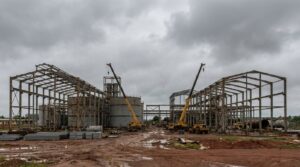 Konongo Lease Dispute: Minerals Commission Cites US$8.3m in Unpaid Fees
 Ghana’s Sliding-Scale Gold Royalty and the Cut in the Mining Levy, Explained
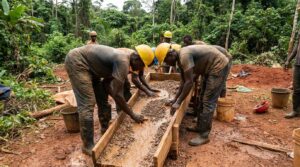 Small-Scale Mining and Galamsey: What Investors Need to Know
Questions about mining joint ventures in Ghana
Can a foreign company partner with a small-scale licence holder?
Yes, and this is the most common form of mining joint venture in Ghana. Foreign partners provide capital, equipment or expertise to a Ghanaian licence holder. The licence itself can only be held by Ghanaian citizens, and structures that disguise foreign control carry serious legal risk, so have the agreement reviewed by a Ghanaian lawyer.
How do I verify a concession or mining licence?
Contact the Minerals Commission directly and confirm the licence type, holder, area, expiry and status. Copies supplied by the other party, however, are not enough.
What is galamsey?
Galamsey is the common name for illegal mining: mining without a licence, or in prohibited areas such as water bodies and forest reserves. Because gold from unlicensed sites taints a supply chain, buyers and partners need to rule it out. See Small-Scale Mining and Galamsey.
Who can a small-scale mine sell its gold to?
Licensed small-scale gold is bought by GoldBod and its licensed aggregators and buyers, at GoldBod’s official prices, and exported only by GoldBod.
What royalties does a gold mine pay?
Holders of mining rights pay royalties. For gold, the rate now follows a sliding scale linked to the gold price under the Minerals and Mining Royalty Regulations, 2025. See our royalty and levy explainer and confirm the current rates with a tax adviser.
Looking for a mining partner or project in Ghana?
Submit your project for review, or ask for introductions to licensed operators and investors. We also run independent checks on licences, sites and partners.
Prefer to message? WhatsApp our team.
We facilitate introductions and independent checks. We hold no client funds, do not buy, sell or broker physical gold, and promise no returns. See our Disclosure Policy.
This page is for information only and is not legal, tax or investment advice. Rules and figures change; confirm the current position with the Minerals Commission or a qualified adviser before acting.