Part of For Investors & Capital Partners · Request an investor briefing
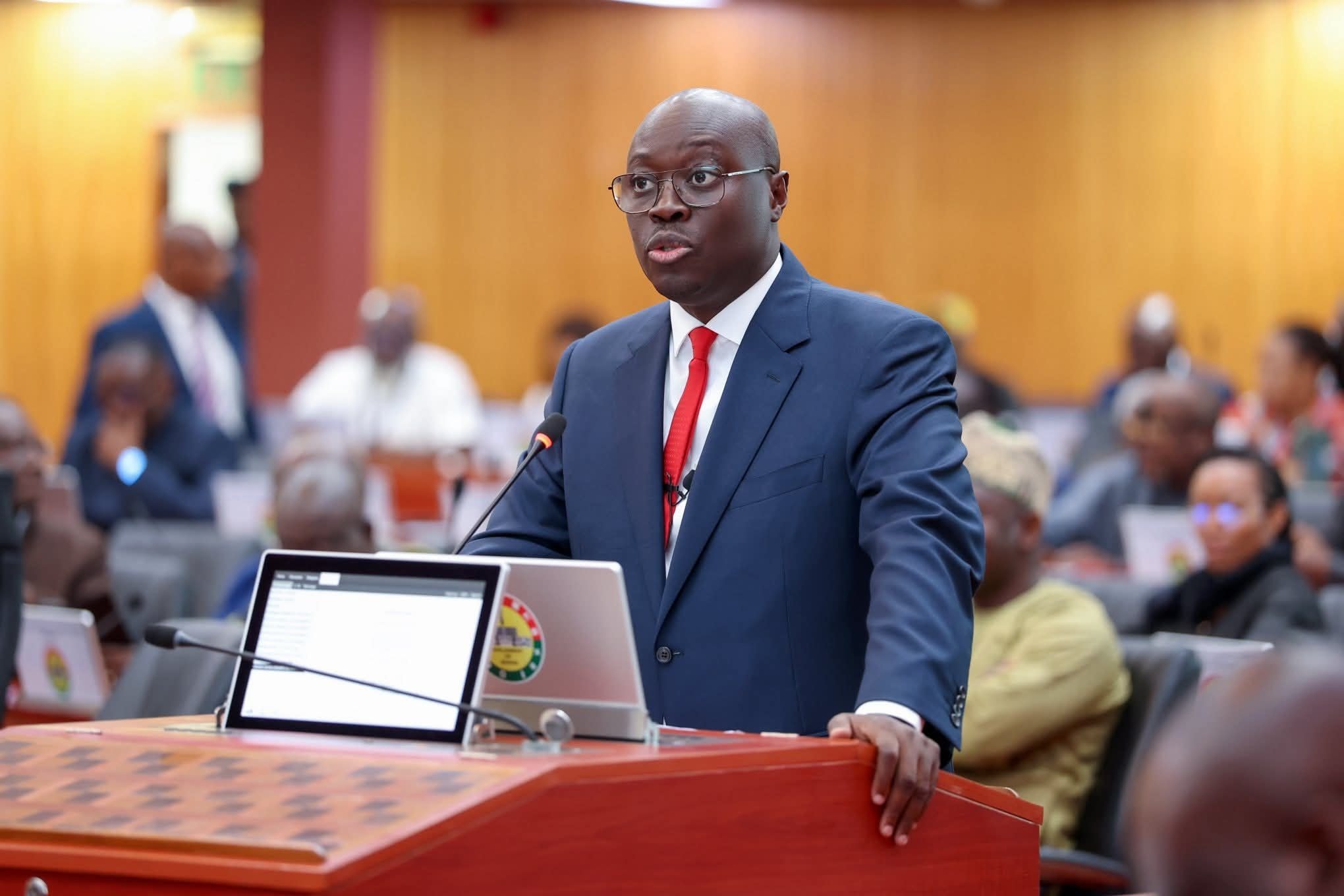
Ghana’s 2027 Budget for the gold sector, read to Parliament by Finance Minister Dr Cassiel Ato Forson on 12 November 2026, puts small-scale gold at the centre of the minerals agenda. It changes what miners are paid, where gold is refined and who may trade it.
Three measures run through everything. First, government plans a 3% discount on small-scale gold purchases in 2027 (¶969). Second, 70% of small-scale gold must be refined in Ghana by December 2027 and 100% by December 2028, when raw exports are prohibited (¶393–394). Third, the formalisation of 9,000 registered miners and 776 cooperatives is to be completed in 2027 (¶1235–1236).
To explain what the 2027 Budget means for each part of Ghana’s gold sector, The Ghana Gold has published six free e-papers. Below are excerpts from each, with a link to the full paper.
For Investors & Capital Partners
Gold carried Ghana’s external accounts in 2026. The 2027 Budget, read to Parliament on 12 November 2026, sets out to keep more of that value at home, and says where it wants private capital alongside the state.
- A refining industry has to be built in about two years. 70% of small-scale gold must be refined in Ghana by December 2027 and 100% by December 2028. (¶393–394)
- The state has named its co-investor. A new Ghana Sovereign Wealth Fund will be the equity partner for 24-Hour Economy and export development projects. (¶955–958)
- US$1.5 billion goes to mineral value addition. It covers manganese, bauxite, lithium and gold, and is scored on six stated measures. (¶391–392)
Get the free e-paper for investors and capital partners → More on our the Investor Centre page.
For Off-takers & Traders
The 2027 Budget, read to Parliament on 12 November 2026, changes the form in which Ghanaian small-scale gold may leave the country and what it costs at source.
- Raw small-scale gold cannot be exported after December 2028. 70% must be refined in Ghana by December 2027 and 100% a year later. (¶393–394)
- GoldBod is the channel. It exported 88 tonnes of small-scale gold worth US$12 billion since January 2026. (¶965)
- The purchase price is changing. A 3% discount on small-scale gold purchases comes in during 2027, after consultation. (¶969)
Get the free e-paper for offtakers and traders → More on our Off-takers & Traders page.
For small-scale miners
The Finance Minister read the 2027 Budget to Parliament on 12 November 2026. Small-scale gold sits at the centre of it. These are the five measures that reach a miner or a mining partner first.
- You will be paid less per ounce. Government plans a 3% discount on small-scale gold purchases in 2027, after consulting the industry. (¶969)
- Your gold must be refined in Ghana. 70% of small-scale gold by December 2027 and 100% by December 2028, when raw exports are prohibited. (¶393–394)
- New legal ground is coming. Geological work in 13 designated areas will mark out viable zones for formalised operators. (¶1232)
Get the free e-paper for miners → More on our Miners & JVs page.
For JV partners
The 2027 Budget, read to Parliament on 12 November 2026, never uses the words joint venture. Yet five of its measures change who you partner with, what the gold earns and how it leaves Ghana.
- Your counterparty is being formalised. Registration of 9,000 miners and 776 cooperatives is to be completed in 2027, with at least 50 cooperative mining schemes commissioned. (¶1235–1236)
- The price your model assumes will fall. Government plans a 3% discount on small-scale gold purchases in 2027. (¶969)
- The export route changes by 2028. 70% of small-scale gold must be refined in Ghana by December 2027 and 100% by December 2028, when raw exports are prohibited. (¶393–394)
Get the free e-paper for JV partners → More on our Miners & JVs page.
For compliance teams
The 2027 Budget, read to Parliament on 12 November 2026, raises the enforcement risk around small-scale gold and adds to the rules a compliance team has to track.
- Enforcement becomes permanent. Operations shift from periodic raids to sustained denial of access to rivers, forest reserves and key corridors. (¶1234)
- Gold shows up in proceeds of crime. The Narcotics Control Commission confiscated 122,047.51 grammes of gold. (¶1518)
- Ghana is acting on its money-laundering evaluation. The Financial Intelligence Centre will lead priority actions from the FATF/GIABA Mutual Evaluation in 2027. (¶1138)
Get the free e-paper for compliance teams → More on our Compliance page.
For suppliers & service providers
The 2027 Budget, read to Parliament on 12 November 2026, sets requirements that miners, refiners and the state will need suppliers to meet.
- Mercury-free processing is required. At least 50 cooperative mining schemes are to be commissioned in 2027 using mercury-free and improved processing. (¶1236)
- Refining has to scale up. 70% of small-scale gold must be refined in Ghana by December 2027 and 100% by December 2028. (¶393–394)
- Ghanaian suppliers are a stated measure of success. The minerals pillar counts Ghanaian suppliers, skilled jobs and technology transferred. (¶392)
Get the free e-paper for suppliers and service providers → More on our Suppliers & Service Providers page.
About these excerpts
Every figure comes from the 2027 Budget Statement, published by the Ministry of Finance, with its paragraph reference (¶). The full papers set out each measure in detail, the key dates and what to do now. They are information, not legal, tax or investment advice, and The Ghana Gold does not buy, sell or broker physical gold.
Read next: follow the rules as they change on GoldBod & Regulation, and the numbers on the Intelligence Dashboard.