Ghana is Africa’s leading gold producer, and gold is now its largest source of export earnings. Understanding how an ounce moves from the ground to a refinery explains most of the opportunities and most of the risks in the sector.
1. Exploration
Companies hold reconnaissance and prospecting licences under the Minerals and Mining Act, 2006 (Act 703) to search for deposits. This is the riskiest stage: most targets never become mines.
2. Mining: two very different industries
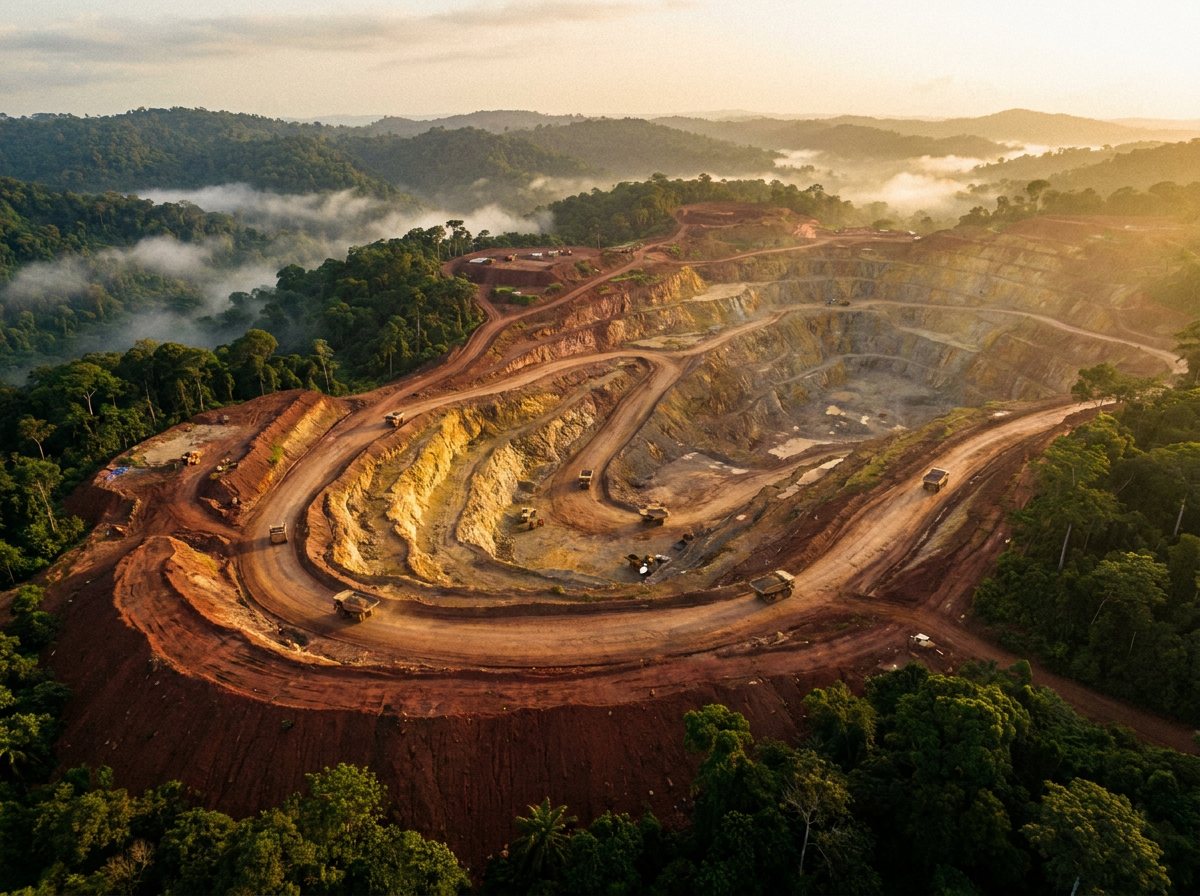
Large-scale mining is carried out under mining leases by companies with processing plants and their own export licences. The state holds a 10% free carried interest in mining leases.
Artisanal and small-scale mining (ASM) is carried out under small-scale licences that only Ghanaian citizens may hold. ASM has grown fast: according to GoldBod, ASM exports rose from 63 tonnes in 2024 to about 104 tonnes in 2025, overtaking large-scale exports for the first time. Illegal mining (galamsey) sits outside this licensed system and remains a serious environmental and governance problem.
3. Processing
Ore is crushed and treated to recover gold, typically producing doré: a semi-refined bar that is mostly gold with silver and other metals. Small-scale miners often recover gold by gravity methods as granules or dust.
4. Buying and aggregation
Since the Gold Board Act, 2025 (Act 1140), small-scale gold is bought by GoldBod and its licensed aggregators and buyers, who must pay in cedis, using the Bank of Ghana reference rate and GoldBod’s official prices. Foreigners may no longer trade gold locally.
5. Assaying
Every transaction depends on knowing weight and purity. GoldBod is the official assayer for ASM gold.
6. Refining and export
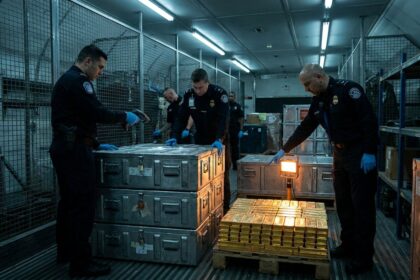
Large-scale miners export doré to international refiners. For small-scale gold, GoldBod is the sole exporter, and since 1 September 2026 doré bought under approved off-take arrangements must be refined at a GoldBod-approved refinery in Ghana before export. The United Arab Emirates, India and Switzerland are Ghana’s largest export markets.
7. Reserves
Part of the gold goes to the Bank of Ghana to build reserves. In May 2026 the share of annual output that large-scale miners must sell to the central bank was raised from 20% to 30%.
Where the opportunities are
- Exploration and mine development (equity, joint ventures, finance)
- Equipment, services and processing for licensed operators
- Local refining capacity, now required for small-scale exports
- Off-take from GoldBod for international buyers
- Assay, logistics, security and compliance services
Sources
- Minerals Commission: Overview of the Minerals and Mining Act, 2006 (Act 703)
- Citi Newsroom: GoldBod records $11.6bn in ASM gold exports in 2026 (20 October 2026)
- Mining Weekly (Reuters): Ghana bars unrefined artisanal gold doré exports from September 1
- MINING.COM (Reuters): Ghana to focus on rebuilding reserves as gold exports pause
- Citi Newsroom: UAE, India lead Ghana’s export markets
This article is for information only and is not legal, tax or investment advice. Rules and figures change; confirm the current position with the relevant authority or a qualified adviser before acting. Image: illustration (AI-generated).